
Hair, Nail & Vascular

Hair grows from tiny structures called follicles, which are connected to oil glands, muscles, and nerves within the skin. Normally, the skin constantly sheds old cells and produces new ones, but when this renewal process is disrupted, various hair and scalp disorders can develop.

Folliculitis
Folliculitis is an infection or inflammation of the hair follicle, commonly caused by the bacteria Staphylococcus aureus. It appears as red, irritated bumps or pus-filled lesions and may be itchy or tender. Mild cases often resolve on their own, but persistent or recurrent folliculitis should be evaluated by a board-certified dermatologist for targeted antibiotic or topical treatment.

Alopecia (Hair Loss)
Alopecia is an autoimmune condition that causes hair loss on the scalp or other areas, including eyebrows and eyelashes. It can affect men, women, and children. In alopecia, the immune system attacks hair follicles, leading to thinning or shedding.
A scalp biopsy may be performed by Dr. Claiborne to determine whether the hair loss is scarring or non-scarring, which guides treatment.
Alopecia areata – patchy, non-scarring hair loss
Androgenetic alopecia – hereditary pattern baldness
Scarring alopecia – permanent hair loss due to follicle damage
Depending on the cause and severity, treatment may include:
Topical or oral medications to stimulate hair regrowth
Corticosteroid injections for autoimmune forms
Antibiotic or antifungal therapy for follicular infections
Advanced medical therapies for chronic or severe cases

Nail Disorders
Nail disorders can develop from a variety of causes, ranging from fungal infections to systemic diseases or medication side effects. The most common issue—onychomycosis (nail fungus)—leads to thickened, discolored, brittle nails that may lift or separate from the nail bed. These infections are especially common in immunosuppressed individuals and often occur alongside athlete’s foot or other fungal skin conditions.
Beyond fungal infections, nails may also reveal underlying health problems, including autoimmune disorders, circulatory issues, or growth abnormalities. Some nail changes can even be linked to drug reactions, birth defects, or trauma.
At MD Claiborne Dermatology, our board-certified dermatologists diagnose and treat all types of nail conditions using microscopic analysis, fungal cultures, and targeted antifungal or restorative therapies.

Vascular & Blood Vessel Disorders
The skin’s blood supply depends on a complex network of small arteries and veins formed through a process called angiogenesis—the development of new blood vessels. Occasionally, this process becomes overactive, leading to vascular skin disorders such as angiomas (spider veins), varicose veins, and telangiectasias (dilated surface vessels).
At MD Claiborne Dermatology, Drs. Martin and Cole Claiborne specialize in diagnosing and treating these vascular conditions using state-of-the-art therapies that restore clearer, healthier skin.
Common Vascular and Blood Vessel Disorders include:
Spider veins / Telangiectasias: Small, visible red or purple veins on the face or legs
Varicose veins: Enlarged, twisted veins often causing discomfort or swelling
Angiomas: Benign overgrowths of blood vessel cells
Infantile hemangiomas: Birth-related vascular malformations (port-wine stains) treated safely and effectively in infants
The most common treatment options, which your dermatologist will discuss, include:
Laser therapy: Targets and shrinks abnormal blood vessels with minimal discomfort
Injectable sclerotherapy: Collapses larger or deeper vessels for long-term cosmetic and medical improvement
Benign Growths
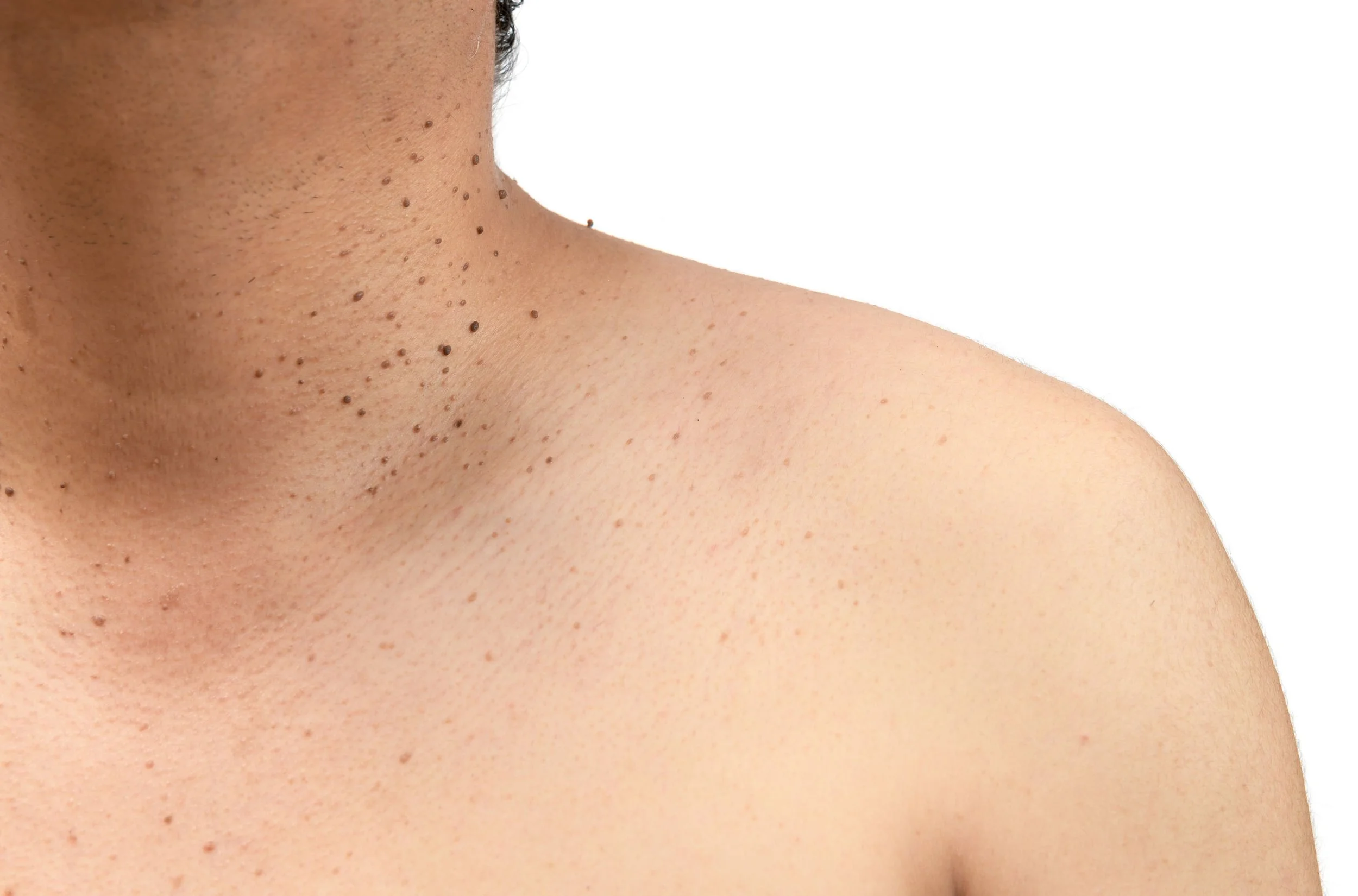
Benign skin growths are common, harmless lesions that can appear anywhere on the body. While most are non-cancerous, they may become irritated, inflamed, or cosmetically bothersome over time. Benign growths may include the following:
Skin tags: Small, soft, flesh-colored bumps found on the neck, underarms, or eyelids
Seborrheic keratoses: Waxy, wart-like growths associated with age and sun exposure
Moles (nevi): Pigmented lesions that should be routinely checked for irregularity
Cysts: Fluid-filled or keratin-filled sacs beneath the skin
These growths often result from friction, genetics, or aging, and are typically painless. However, because certain skin cancers can mimic benign lesions, it’s important to have all new or changing growths evaluated by a board-certified dermatologist.
Common treatment options for benign skin growths, depending on the type and location of the lesion, options include:
Cryotherapy (freezing)
Electrocautery (burning or excision)
Laser removal for precision cosmetic results
Minor surgical excision with minimal scarring