
Medical Dermatology
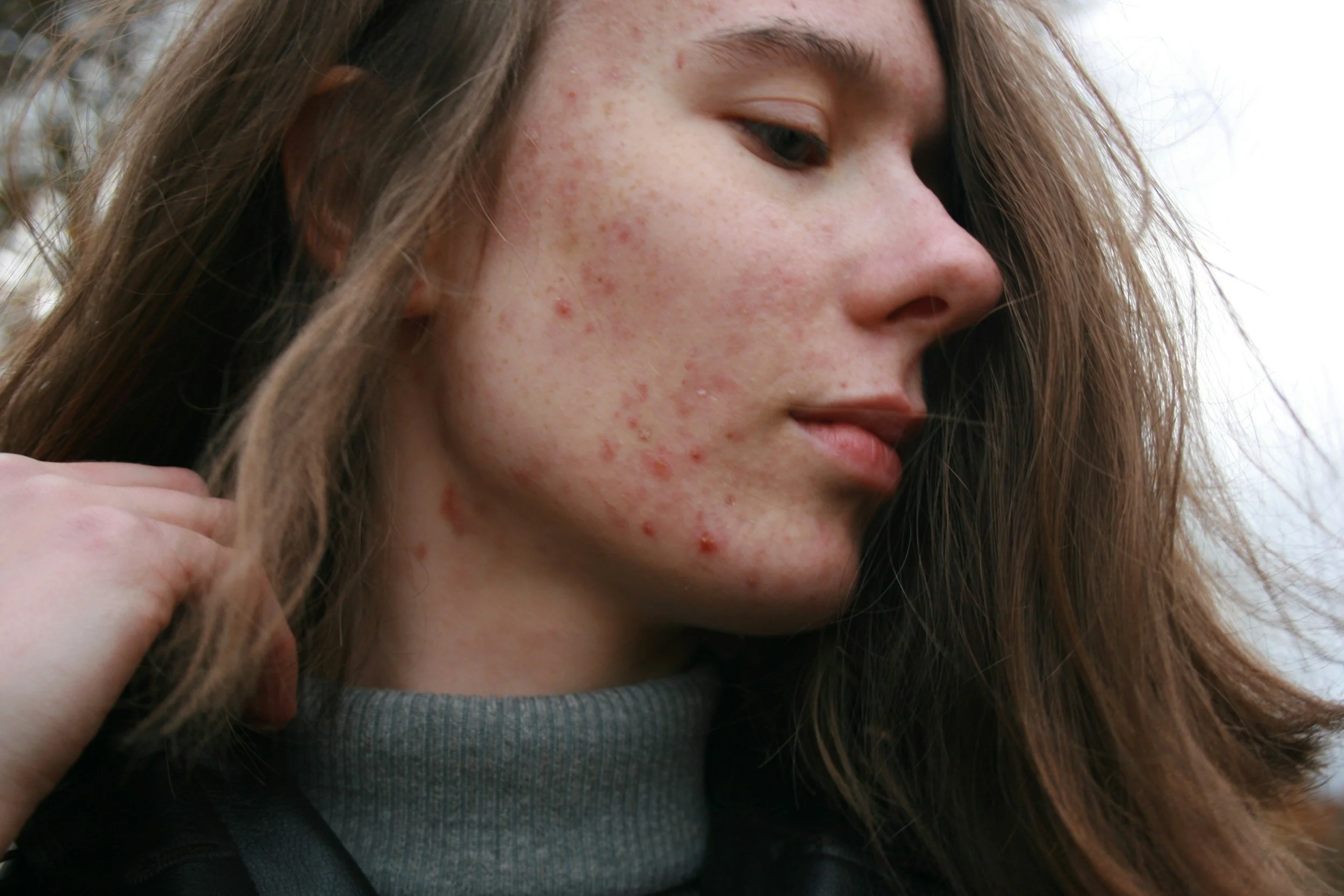
Acne
Acne is one of the most common skin conditions, caused when hair follicles become clogged with oil (sebum) and dead skin cells. During puberty and hormonal changes, sebaceous glands produce excess oil, which can trap bacteria and trigger inflammation—leading to pimples, blackheads, and sometimes deep, painful acne nodules that may scar if squeezed or popped.
Contrary to popular belief, greasy foods or poor hygiene do not cause acne—and harsh scrubbing can actually make breakouts worse. For persistent or severe acne, it’s best to see a board-certified dermatologist for personalized, evidence-based treatment.
Blocked pores, oil buildup, and inflammation can cause acne at any age.
Treatments:
Topical retinoids, antibiotics, chemical peels
Oral antibiotics or hormonal therapy
Isotretinoin (Accutane®) for severe cases
Blisters
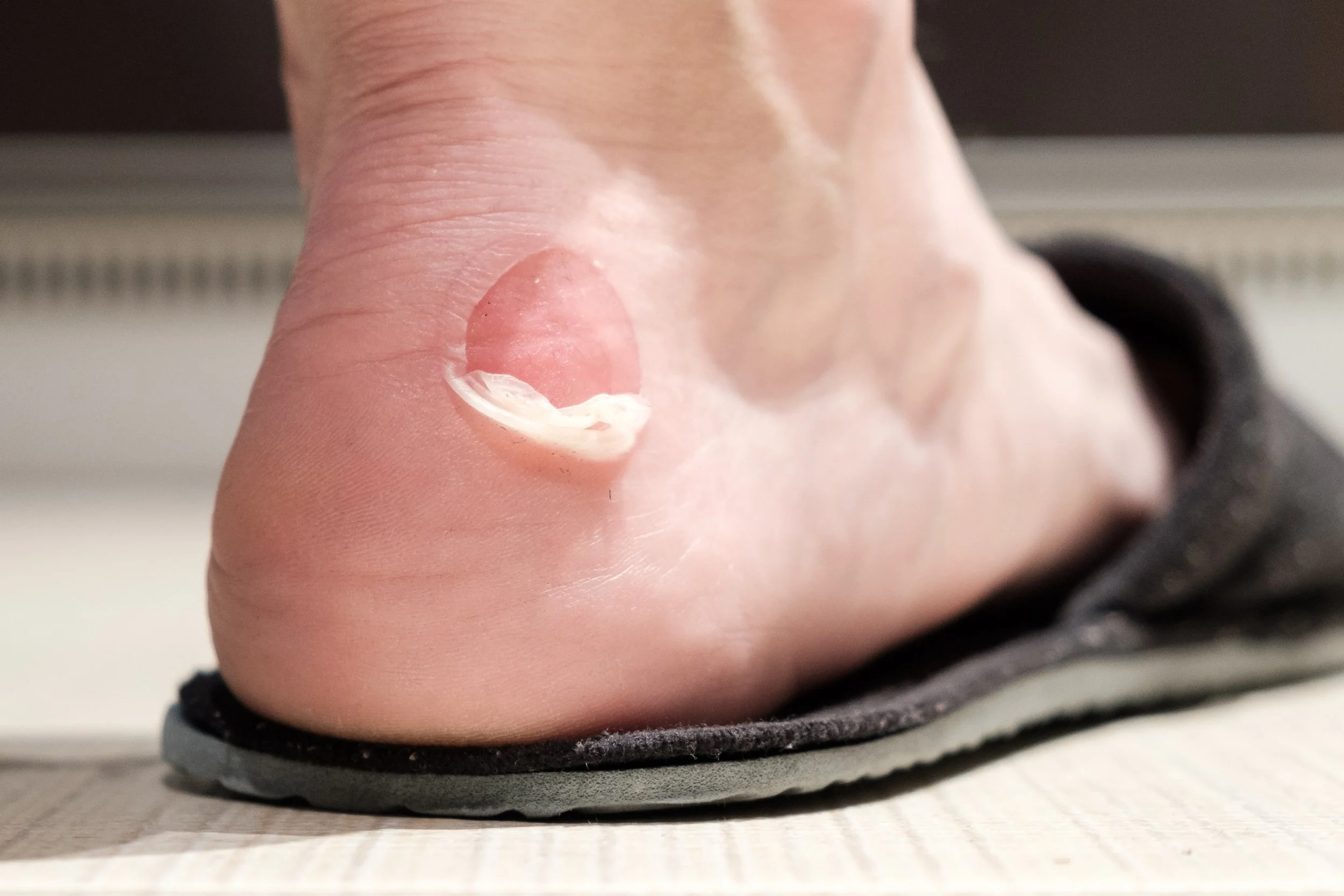
Blisters form when fluid collects between layers of skin due to friction, trauma, burns, infection, or autoimmune disease. While most small blisters heal on their own, recurring or widespread blistering may indicate an underlying skin disorder that requires medical evaluation.
To diagnose the cause, dermatologists often perform a skin biopsy from the edge of a blister. In autoimmune blistering diseases—where antibodies mistakenly attack the skin—an additional test called immunofluorescence helps identify specific immune proteins and pinpoint the diagnosis.
Treatment depends on the type and severity of the condition. Mild blisters may respond to topical care and wound protection, while autoimmune blistering diseases often require specialized therapies to calm inflammation and prevent scarring.
Fungal Infections
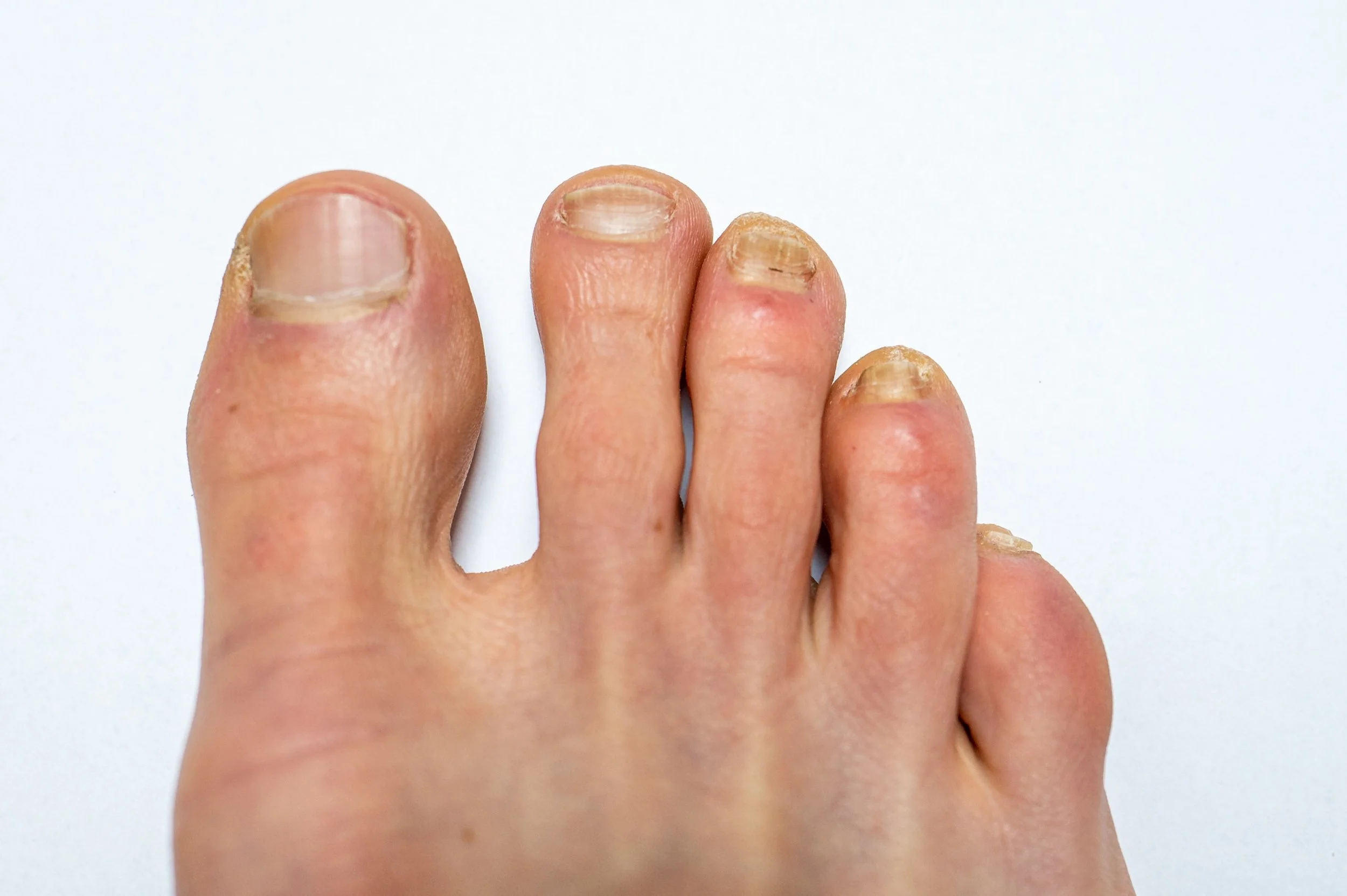
Fungal infections, also known as tinea, are common skin conditions that affect the outer layers of the skin, hair, nails, and mucous membranes. These infections thrive in warm, moist areas of the body—such as the feet, groin, and underarms—and are often itchy, red, and uncomfortable.
Common Types of Fungal Infections
Athlete’s foot (tinea pedis) – affects the feet and toes
Jock itch (tinea cruris) – develops in the groin area
Ringworm (tinea corporis) – circular, scaly patches on the body
Yeast infections (candida) – often occur in skin folds or mucous membranes
Causes & Risk Factors
Fungal infections spread easily through direct contact or contaminated surfaces. Antibiotic use can also increase risk by disrupting natural skin bacteria that normally control fungal growth.
Treatment Options
Most superficial fungal infections respond well to topical or oral antifungal medications, while more severe or deep fungal infections—those that can spread to the blood or internal organs—require immediate medical attention.
Hives
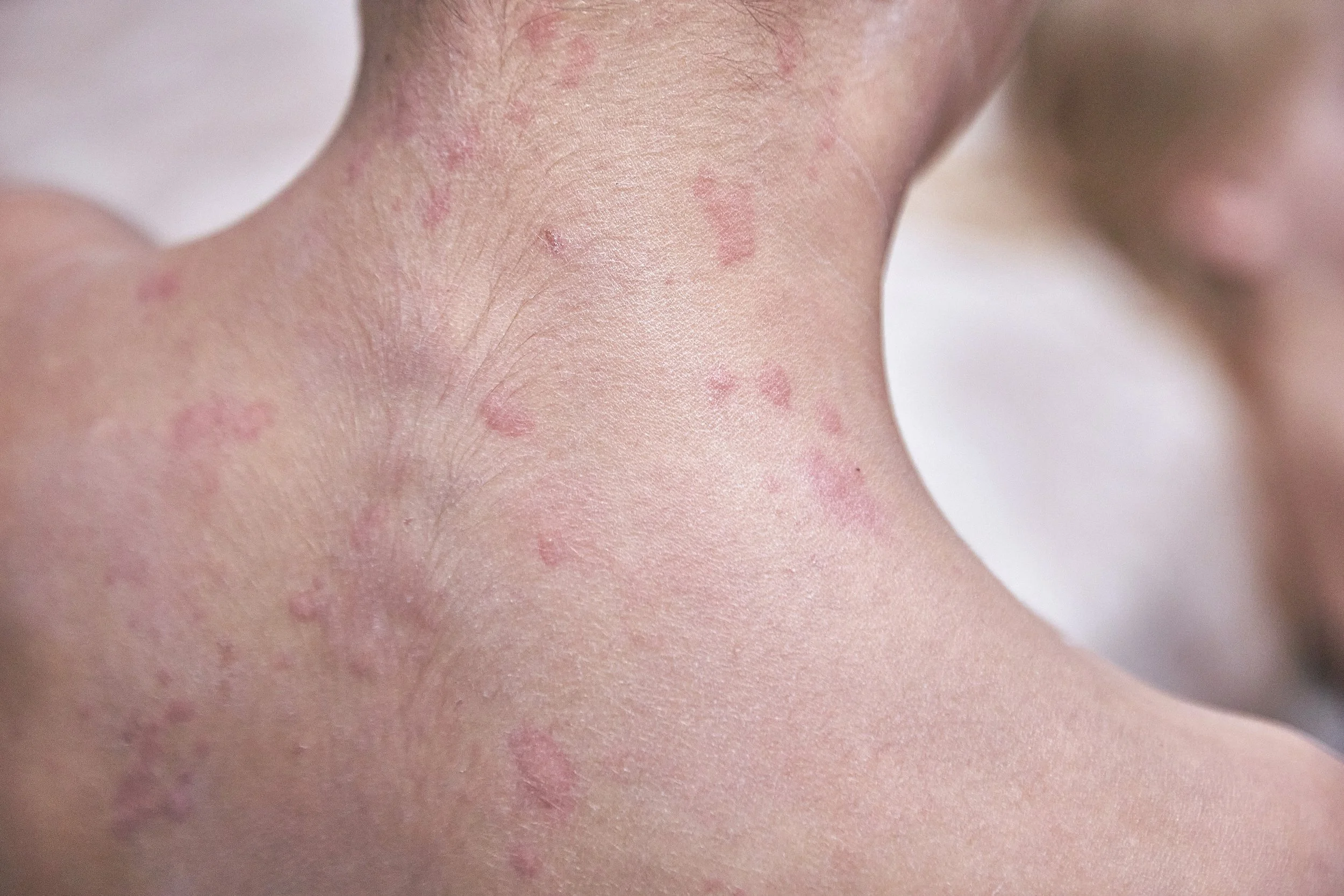
Hives (Urticaria)
Hives, or urticaria, appear as raised, red, itchy bumps that result from the body’s release of histamine and other inflammatory chemicals—often in response to an allergen or irritant. Common triggers include upper respiratory infections, certain medications, and food allergies. These lesions can cause itching, stinging, or burning sensations.
Acute vs. Chronic Urticaria
Acute urticaria: Lasts less than six weeks, often seen in children.
Chronic urticaria: Persists longer than six weeks and is more common in middle-aged women. Chronic cases typically require a comprehensive dermatologic evaluation to identify underlying causes.
Treatment Options
The first-line treatment for hives includes oral antihistamines to control itching and inflammation. In resistant or chronic cases, additional therapies may include:
Oral steroids for short-term relief
Phototherapy or leukotriene inhibitors
Cyclosporine for immune modulation
Xolair® (omalizumab): An FDA-approved biologic injection for patients aged 12+ whose chronic urticaria does not respond to antihistamines

Hyperhidrosis
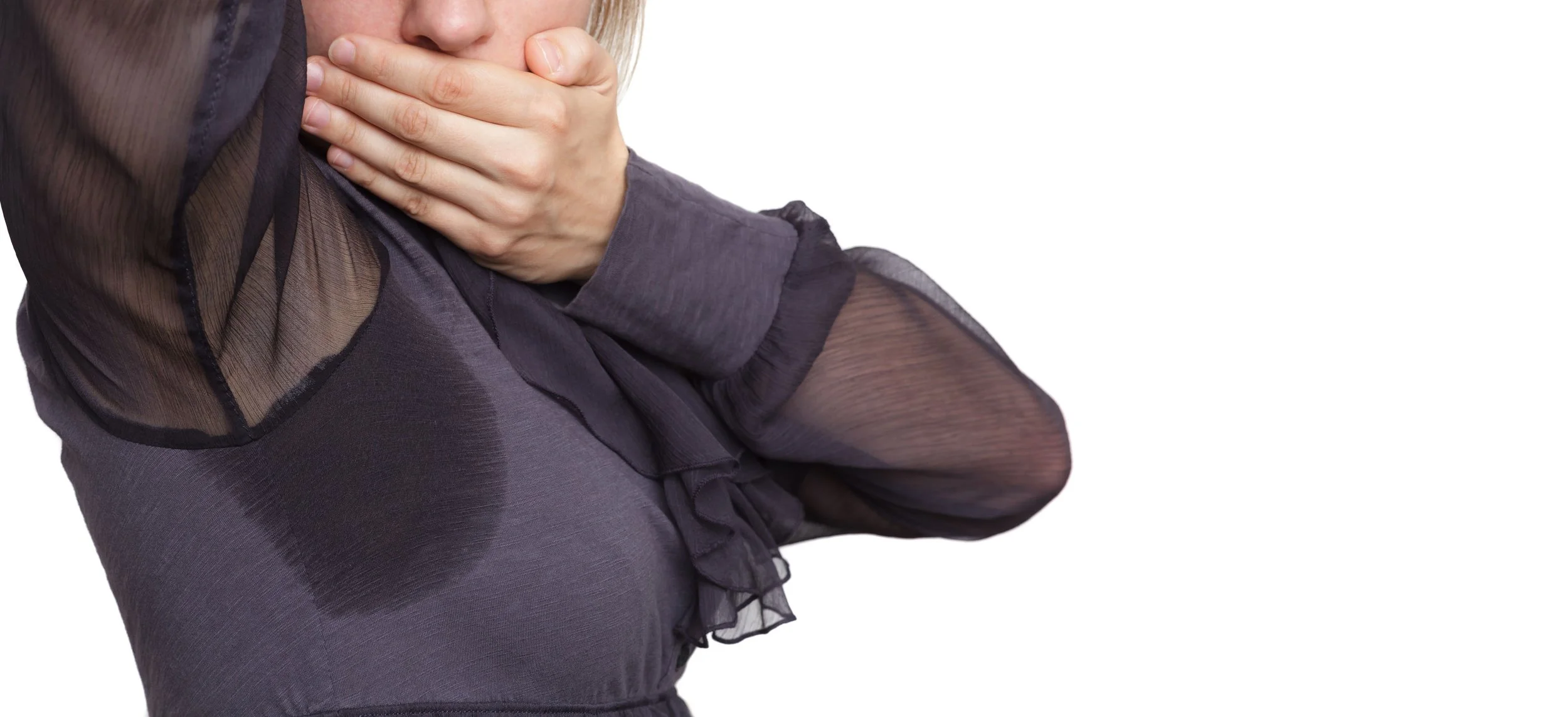
Hyperhidrosis (Excessive Sweating)
Hyperhidrosis is a chronic condition that causes excessive sweating beyond what’s needed to regulate body temperature—affecting nearly 9% of people. Those with hyperhidrosis may sweat four to five times more than average, leading to embarrassing sweat stains, discomfort, and avoidance of social or professional situations.
Causes & Types
Hyperhidrosis may be:
Primary (idiopathic): No underlying cause; often begins in childhood or adolescence.
Secondary: Caused by another condition such as diabetes, menopause, thyroid disorders, or certain medications (like antidepressants).
A board-certified dermatologist can determine which type you have and develop a customized treatment plan.
Treatment Options
Effective therapies for excessive sweating include:
Prescription-strength antiperspirants
Botox® injections to temporarily block sweat gland activity
Laser treatments targeting overactive glands
Oral medications or surgical procedures for severe cases
Rashes
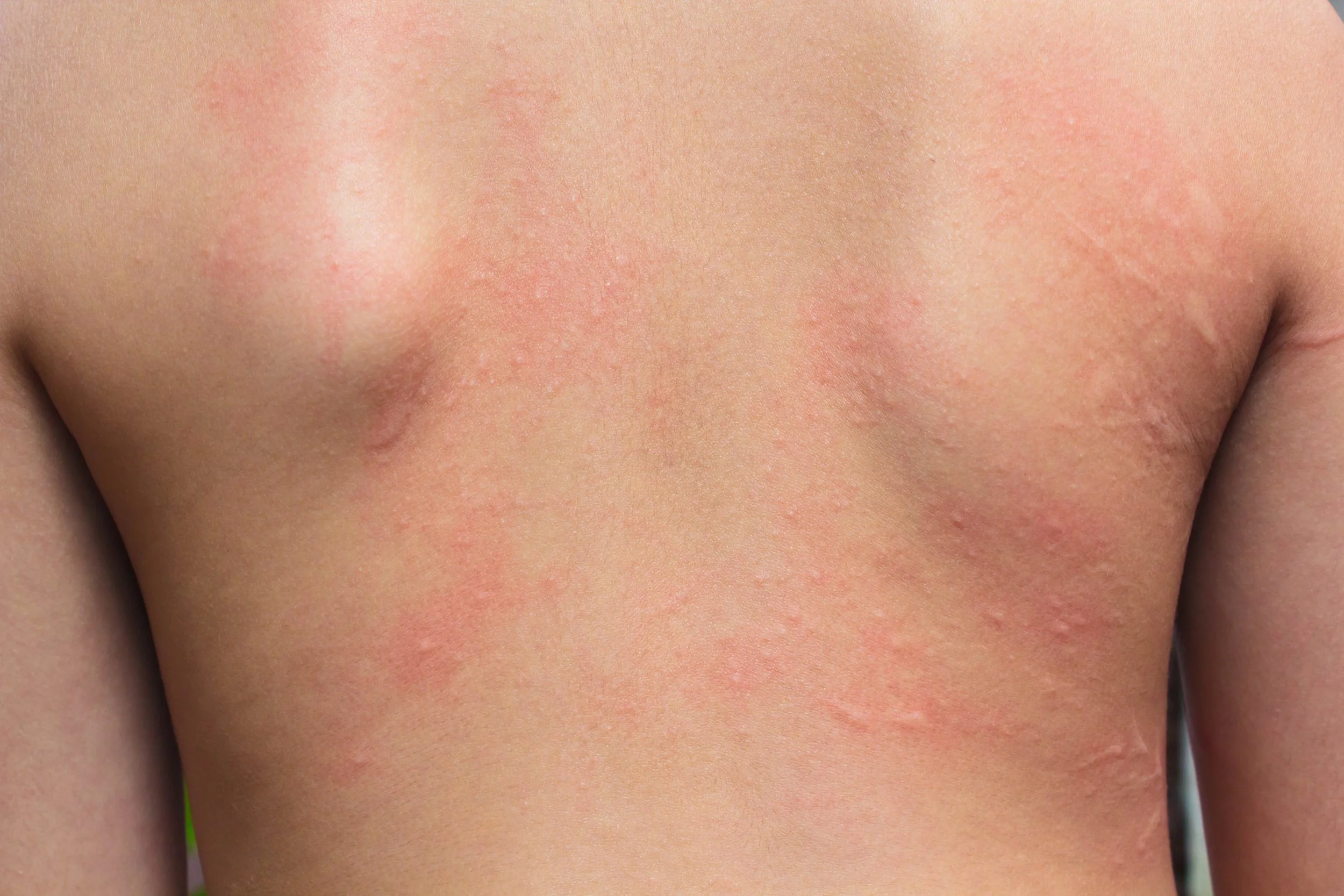
A rash is a general term describing red, inflamed, or irritated skin that changes how the skin looks and feels. Rashes may appear suddenly, affect one area or the entire body, and can stem from a wide range of causes — from allergic reactions and infections to autoimmune conditions or irritants.
Typical symptoms include redness, itching, swelling, dryness, and raised bumps or patches. Depending on the cause, skin may also crack, flake, or feel warm and sensitive to touch. Most rashes are mild and short-lived, but some can signal more serious medical conditions.
Because “rash” encompasses many potential skin disorders, accurate diagnosis is key. A board-certified dermatologist can identify the exact cause and recommend proper treatment.
Common Rash Categories
Noninfectious scaly rashes (e.g., eczema, psoriasis)
Infectious rashes caused by fungal or bacterial infections
Red, itchy bumps or widespread patches from irritation or inflammation
Allergic reactions such as hives (urticaria)
Rosacea
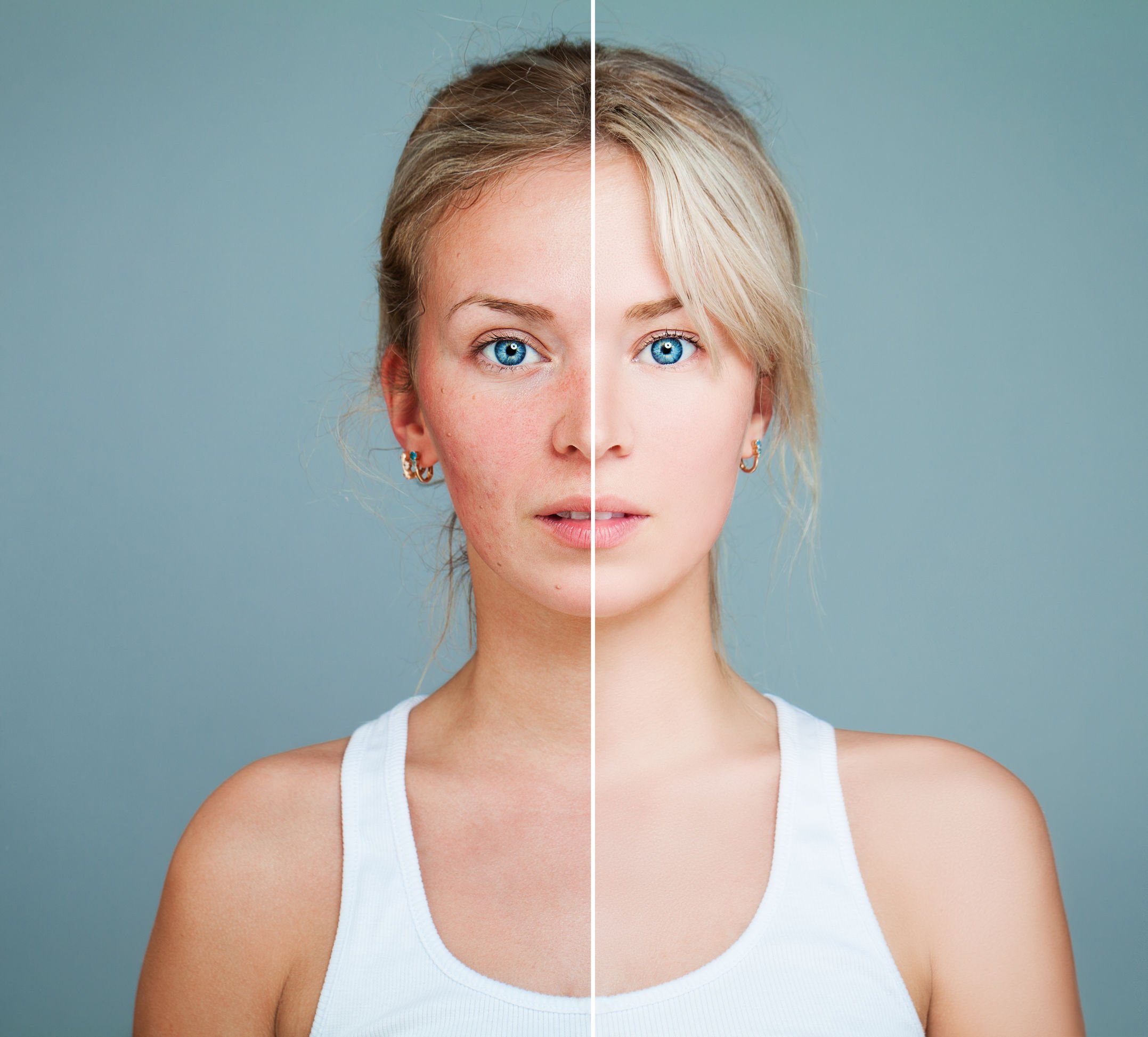
Rosacea is a chronic skin condition that causes facial redness, visible blood vessels, and acne-like bumps, most often affecting the cheeks, nose, and chin. Early signs may include flushing, blushing easily, or sensitivity to skincare products. Over time, untreated rosacea can lead to persistent redness, thickened skin, and in advanced cases, an enlarged red nose (rhinophyma).
About half of patients also experience ocular rosacea, which causes eye irritation, burning, or grittiness and should be treated promptly to prevent complications.
Causes & Triggers
The exact cause of rosacea remains unknown, but flare-ups can be triggered by:
Alcohol consumption
Sun exposure and temperature extremes
Hot beverages or spicy foods
Stress or emotional changes
Harsh cosmetics or facial rubbing
Treatment Options
At MD Claiborne Dermatology, rosacea care is tailored to your skin type and severity. Options include:
Topical medications for mild redness and inflammation
Oral antibiotics for moderate to severe flare-ups
Laser or light therapy to reduce visible blood vessels and redness
Minor surgical or electrosurgical procedures for resistant cases
With professional care and trigger management, most patients achieve clear, calmer skin and long-term control of rosacea symptoms.
Shingles (Herpes Zoster)
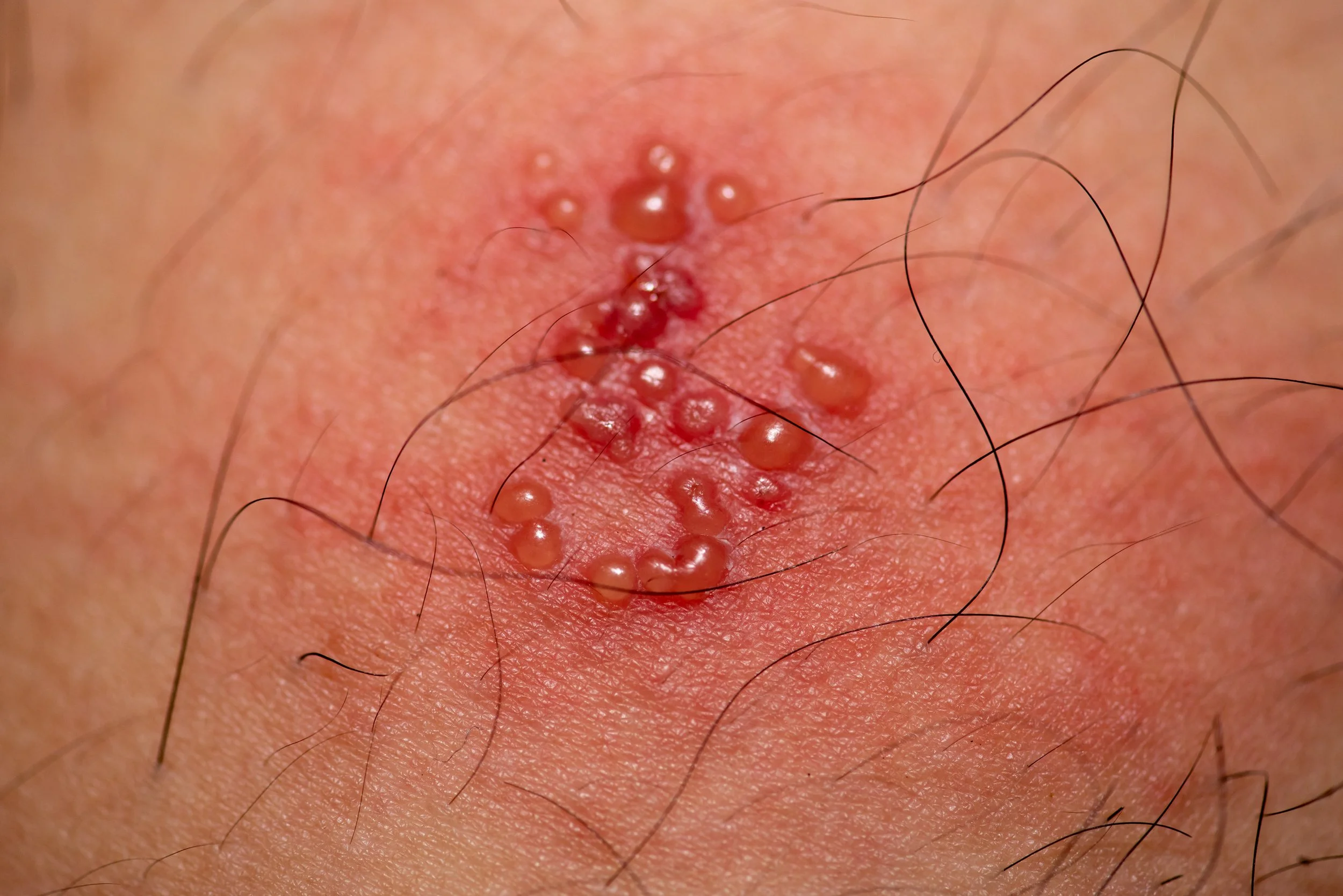
Shingles, also known as Herpes Zoster, is a painful blistering rash that develops when the chickenpox virus (varicella-zoster) reactivates after lying dormant in the body. It can affect anyone who has had chickenpox, though it is most common in adults over 60.
Symptoms & Complications
Shingles typically causes burning pain, tingling, and clusters of fluid-filled blisters on one side of the body. The rash usually heals within two to four weeks, but some patients experience long-term complications such as:
Post-herpetic neuralgia (PHN): lingering nerve pain
Herpes zoster ophthalmicus: eye involvement that can threaten vision
Secondary skin infections
While shingles isn’t as contagious as chickenpox, direct contact with blister fluid can spread the virus to someone who hasn’t had chickenpox or the vaccine.
Diagnosis & Treatment
Early detection is key. A board-certified dermatologist can confirm the diagnosis and start antiviral medication to reduce pain, shorten the outbreak, and prevent complications.
Prevention
The shingles vaccine is recommended for adults aged 60 and older, cutting the risk of shingles by about 50%. Discuss your medical history and current medications with your physician before vaccination to ensure it’s right for you.