Surgical Dermatology

At MD Claiborne Dermatology, we provide advanced surgical dermatology for the diagnosis and treatment of skin cancers, cysts, lipomas, and abnormal moles. While surgery is often a last resort, Drs. Martin and Cole Claiborne are highly skilled dermatologic surgeons with extensive experience performing precise, minimally invasive procedures in-office under local anesthesia.
Skin Cancer Surgeries
-
SCC often appears as rough bumps, flat red patches, or non-healing sores caused by chronic sun exposure. A biopsy is first performed to confirm diagnosis.
Treatment typically involves surgical excision under local anesthesia, where the cancerous tissue is removed and sutured. In certain cases, Mohs micrographic surgery is used—an advanced technique that removes layers of cancerous tissue one at a time while immediately examining them under a microscope, ensuring complete cancer removal while sparing healthy skin.
-
BCC is the most common form of skin cancer, appearing as shiny, dome-shaped growths or pink-to-yellow lesions with visible blood vessels. Caused by long-term UV damage, BCCs are highly treatable when caught early.
Treatment options include surgical excision or Mohs surgery, both performed comfortably in-office with excellent cure rates and cosmetic outcomes.
-
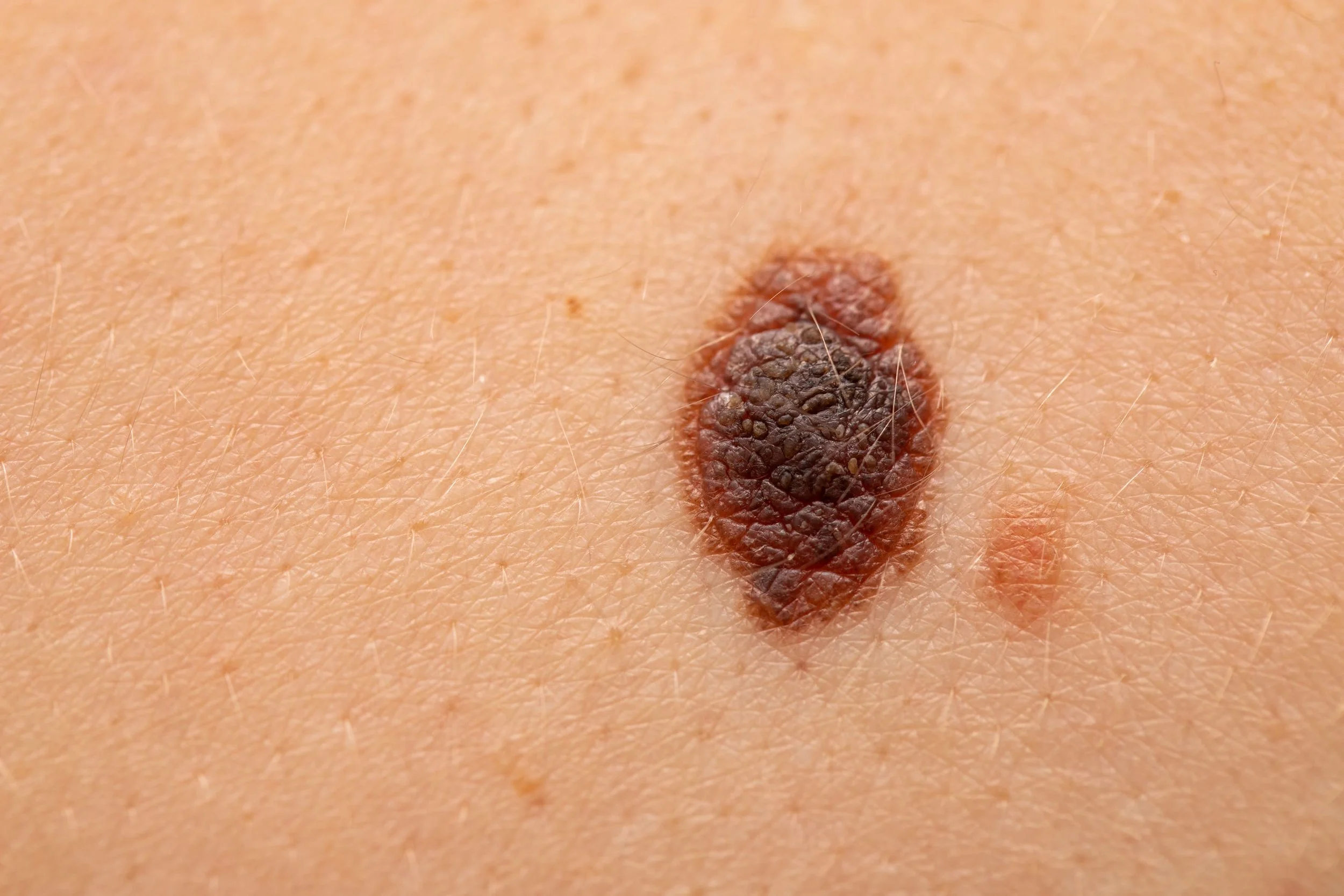
Melanoma is the most serious skin cancer, presenting as dark, irregularly shaped moles larger than 6 mm that may evolve in color, shape, or size.
Early detection is critical—especially for individuals with a family history of melanoma or significant sun exposure.
Treatment depends on the stage and may involve surgical excision, Mohs micrographic surgery, chemotherapy, or radiation therapy. Your dermatologist will tailor a comprehensive treatment plan to your condition.
Other Surgical Skin Procedures
-
Cysts are benign, fluid- or keratin-filled lumps that form beneath the skin, often on the scalp, back, or face. While typically harmless, they can become inflamed, infected, or painful—or simply cosmetically bothersome.
At MD Claiborne Dermatology, our board-certified dermatologists perform simple, in-office cyst removals under local anesthesia. The entire cyst capsule is carefully excised to prevent recurrence, and the area is closed with fine sutures for minimal scarring.
This quick outpatient procedure restores smooth, healthy skin with little downtime.
-
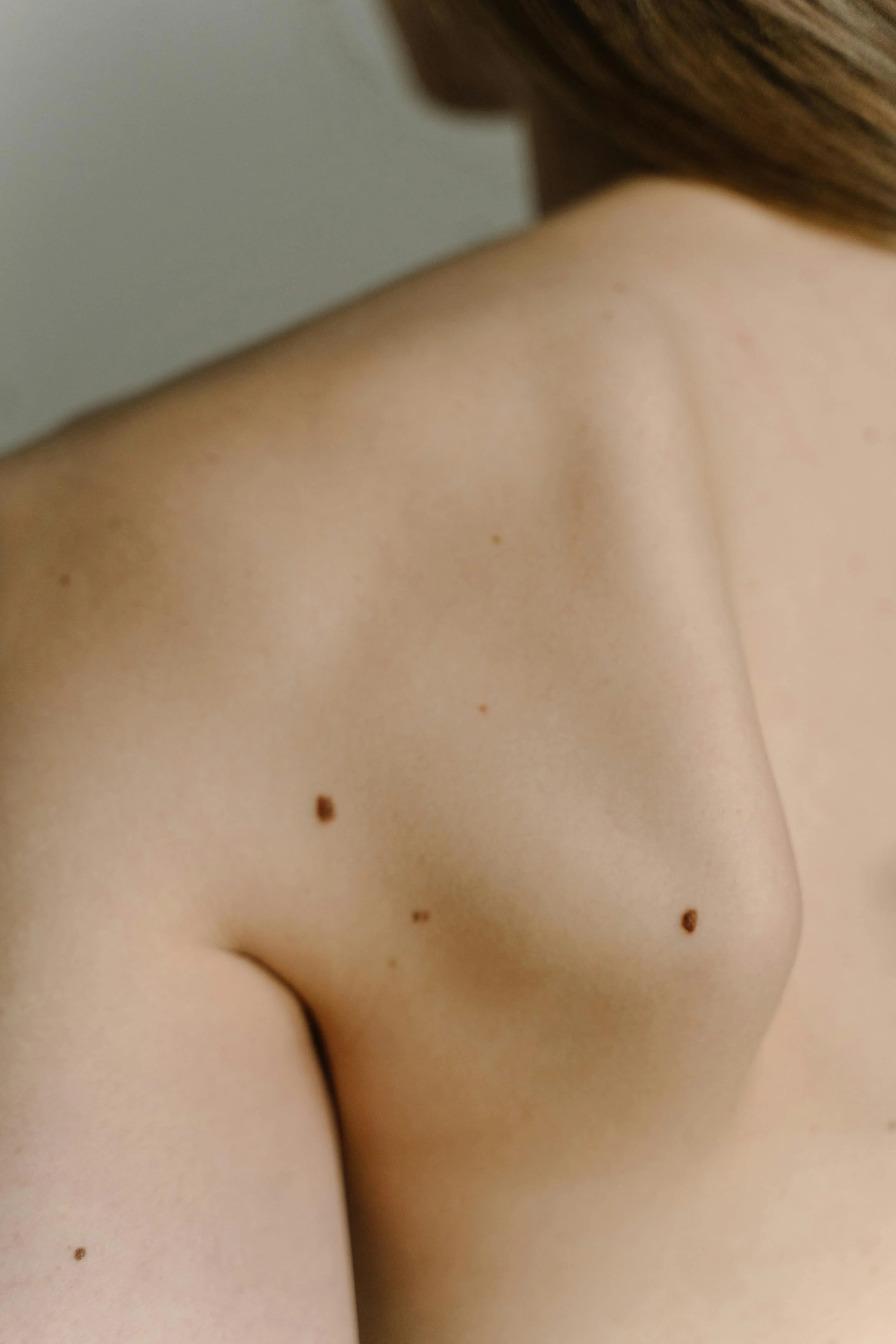
Abnormal moles, or atypical nevi, may appear irregular in color, border, or size and can occasionally indicate precancerous or malignant changes. Because early detection is key in preventing melanoma, any mole that changes shape, color, or bleeds should be examined promptly by a board-certified dermatologist.
At MD Claiborne Dermatology, we perform professional skin evaluations, dermoscopy, and biopsies to accurately diagnose suspicious moles. When necessary, surgical mole removal is performed under local anesthesia with meticulous cosmetic closure to preserve your skin’s appearance.
-
Lipomas are soft, slow-growing, benign fatty lumps that develop under the skin—often on the shoulders, arms, or back. Though not dangerous, they can become tender, enlarged, or cosmetically noticeable over time.
Drs. Martin and Cole Claiborne specialize in lipoma excision, a brief, in-office surgical procedure performed under local anesthesia. The lipoma is carefully removed through a small incision, and the tissue is typically sent for pathological evaluation to confirm the benign diagnosis.
Most patients resume normal activities the same day, with minimal discomfort and excellent cosmetic results.
-
Keloids are firm, raised overgrowths of scar tissue that develop after skin injury, surgery, piercings, or burns. They can cause itching, pain, tightness, and cosmetic concern—especially on the ears, chest, shoulders, or jawline. Because keloids often extend beyond the original wound and have a high recurrence rate, treatment requires skilled, strategic care.
At MD Claiborne Dermatology, Drs. Martin and Cole Claiborne specialize in comprehensive keloid management using a combination of surgical and non-surgical therapies, including:
Steroid injections to soften and flatten the scar
Surgical excision when appropriate, paired with post-procedure therapy to prevent regrowth
Laser or cryotherapy to minimize thickness and discoloration
Radiation or 5-fluorouracil (5-FU) in severe, resistant cases
Each treatment plan is customized to reduce recurrence risk and restore smoother, healthier skin.